

Oil prices have fallen sharply, and the gold and stock markets are showing mixed results.
World oil prices fell sharply by more than 7% in trading on November 2nd, following positive signals about the possibility of the US and Iran resuming negotiations to end the eight-month-long conflict.
At the close of trading on November 2nd, US WTI crude oil fell 7.4%, to $96.4 per barrel. This was the sharpest single-day drop since July 27th. Brent crude oil also lost 7.6%, falling to $104.77 per barrel. In the morning trading session on November 3rd (Vietnam time), WTI prices fluctuated around $96.2 per barrel, while Brent was around $104.3 per barrel.
The main driver of the oil price drop came from diplomatic signals between Washington and Tehran. This helped ease concerns about the risk of disruptions to oil supplies from the Middle East, particularly through the Strait of Hormuz – a strategic shipping lane for the global energy market. Previously, the risk of escalating conflict and attacks on oil tankers had caused oil prices to rise by more than 10% in October.
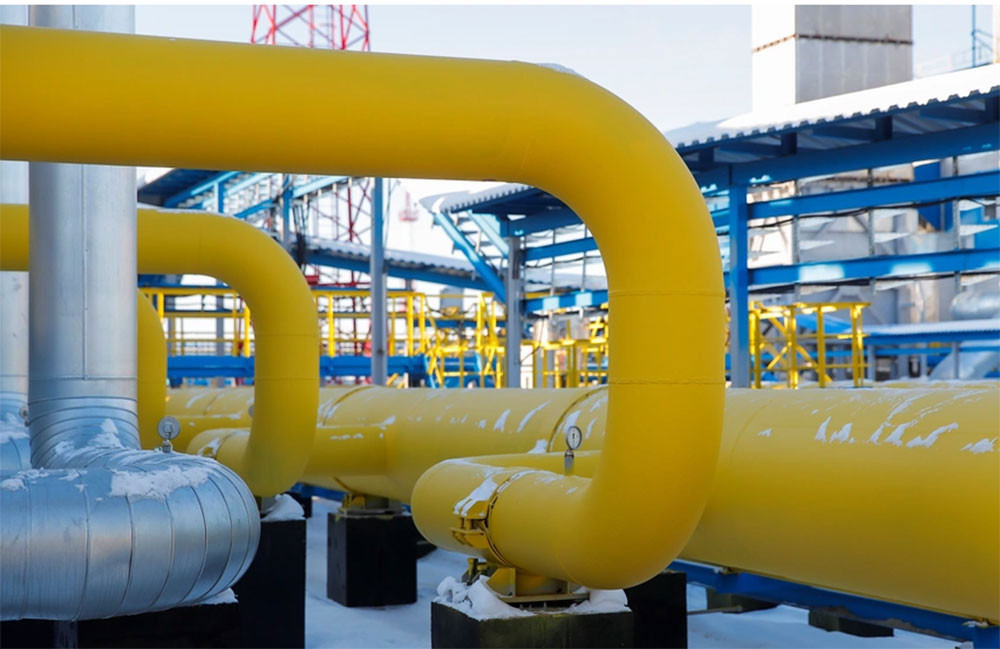
Oil price movements also impact market expectations regarding US monetary policy. As energy costs cool, inflationary pressures are expected to ease, thereby weakening the likelihood that the Fed will have to continue tightening monetary policy.
In the interest rate market, the probability of the Fed raising interest rates at its December 10 meeting has decreased from over 80% to 73.4%. Nevertheless, the likelihood of a rate hike is still considered quite high by the market.
This information also supported gold prices. In overnight trading on November 2nd in the US, the spot price of gold rose from around $3,895 to $3,960 per ounce.
On the US stock market, investor sentiment also showed signs of improvement. The Nasdaq Composite index continued to decline, but the Dow Jones recovered thanks to support from traditional industrial and consumer goods companies such as Home Depot and Honeywell.
On the Vietnamese stock market, the VN-Index continued its slight decline during the morning session on November 3rd, but some manufacturing, consumer goods, real estate, securities, and banking stocks such as HPG, SAB, VNM, GVR, VHM, MSN, SSI, STB… rebounded. The stock performance showed clearer differentiation between sectors, rather than a widespread sell-off.
Is the drop in oil prices sustainable, and to what extent will financial markets benefit?
The sharp drop in oil prices could have a positive impact on several sectors of the economy and financial markets. If this trend continues, business input costs could decrease, inflationary pressures could ease, and the pressure to maintain tight monetary policy could be reduced.
For the stock market, falling oil prices could benefit energy-intensive sectors such as transportation, aviation, chemicals, plastics, manufacturing, and consumer goods. Lower fuel costs improve profit margins and support purchasing power as living costs ease.
In Vietnam, falling oil prices could also help reduce pressure on energy imports, supporting inflation control and exchange rate adjustments. Businesses in transportation, aviation, plastics, fertilizers, and other fuel-intensive industries could benefit. Conversely, upstream oil and gas companies and oil exploration businesses could face pressure if product prices fall significantly.
With gold, the impact isn’t entirely one-sided. Falling oil prices help lower inflation expectations, thereby reducing the demand for gold as a hedge against inflation. However, if falling oil prices lead to expectations of less monetary tightening by the Fed, weaker real yields, and a weaker US dollar, gold benefits.
In fact, the stock market showed signs of bottoming out after the sharp drops in oil prices between mid-April and the end of July. Subsequently, the VN-Index experienced periods of recovery on both weekly and monthly charts. However, this is only a reference point.
Notably, the factors supporting the decline in oil prices remain highly uncertain. First, the prospects for US-Iran negotiations are still limited to signals of goodwill, with no concrete agreement yet reached. The two sides still have many disagreements regarding sanctions, the US military presence in the region, and the blockade.
Previously, the oil market also plummeted several times following news of a potential peace agreement, but then surged as conflict continued to escalate. Attacks on oil tankers passing through the Strait of Hormuz and energy infrastructure in the Middle East remain a real risk.
Goldman Sachs warns that Brent crude oil prices could rise to $140 per barrel in 2027 if oil production in the Persian Gulf region remains 3.5 million barrels per day below the 2025 average. Supply and energy infrastructure risks could still reverse this price trend.
Furthermore, financial indicators on the morning of November 3rd did not show that inflationary pressures had eased. The USD index rose 0.15% to 101.9 points, while US bond yields increased 0.34% to 5.287% per year. These remain high levels, reflecting investor caution regarding the outlook for inflation and US monetary policy.
Thus, the more than 7% drop in oil prices has somewhat eased concerns in the gold and stock markets. Developments in US-Iran negotiations, security in the Strait of Hormuz, and the Fed’s interest rate policy continue to be key variables determining the direction of markets in the coming period.