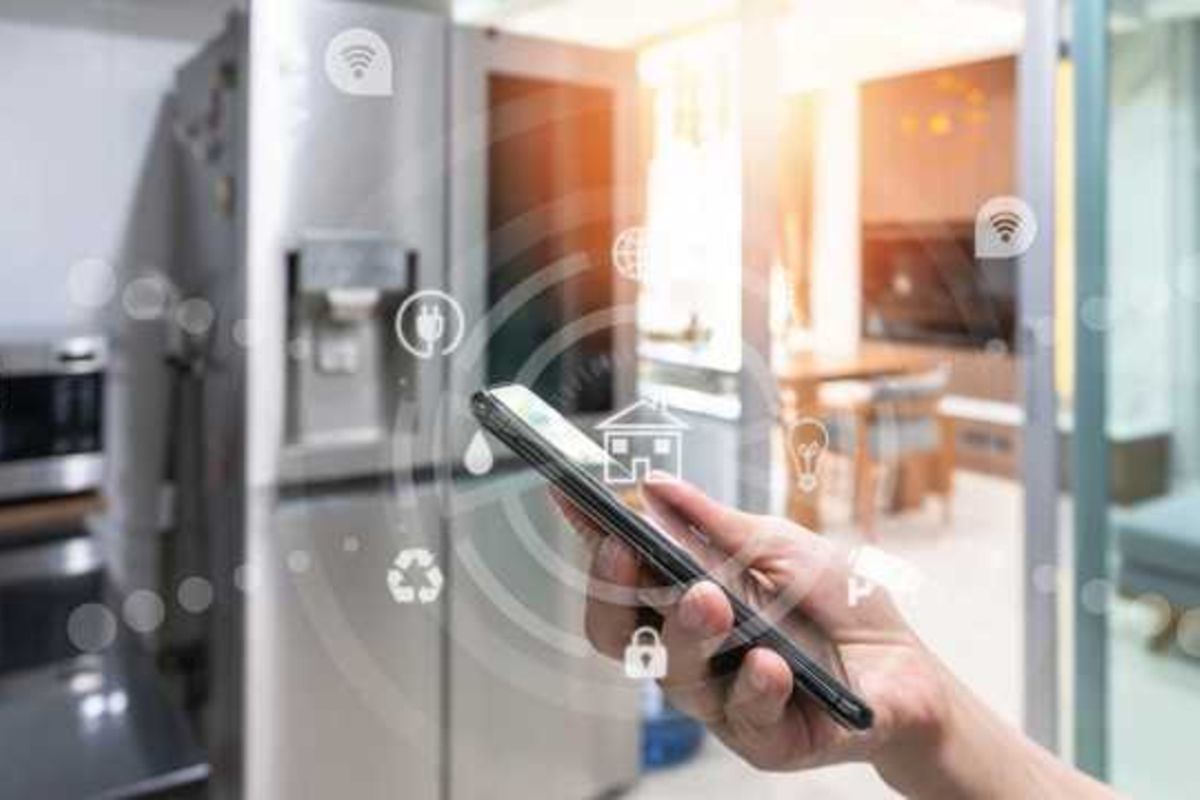
In a traditional home, a refrigerator keeps food cold until someone adjusts its settings, a washing machine runs on a manually selected programme, and a dishwasher completes the same cycle no matter how dirty the dishes are.
The person using the appliances makes most of the decisions. But in the next generation of homes, these routines could happen in the background. A refrigerator, for instance, will learn when a household opens its door most often and adjust its cooling performance accordingly, while a washing machine analyses a load’s fabric and dirt levels before deciding how to clean it.
A smart fridge could also recognise food items, track what is running low and help plan the next grocery shopping.
Artificial intelligence (AI) and data analytics are finding their way into everyday household appliances, as manufacturers seek to turn conventional machines into devices that learn from their users, adapt to changing conditions and optimise their performance over time.
The shift is part of efforts by home appliance manufacturers to make products more responsive to household routines, while promising consumers better energy efficiency, improved convenience and more personalised experiences.
South Korean technology giant LG, for example, says its washing machines use deep-learning technology – autonomously learning complex patterns and representations from large amounts of raw data.
This technology makes machines select washing motions based on fabric type and the level of soil, to clean clothes effectively while protecting delicate materials.
AI-enabled dryers can adjust drying time and temperature according to the weight, fabric type, and moisture levels of each load. The system can reduce drying time where possible and lower temperatures for garments that retain moisture, helping protect fabrics from excessive heat.
Similarly, dishwashers are being designed to detect how dirty dishes are and adjust parameters such as water temperature, rinse cycles, and detergent use to suit the load.
“AI is a very human-centric technology, and home settings are one of the most personal and complex spaces where daily life happens. We aim to use it to understand homes better to cater to each customer’s lifestyle,” Chaerim Ji, senior public relations manager for LG’s Home Appliance Solution business, recently said at an event in Seoul.
The tech giant says its refrigerator technology, for example, can analyse door-opening patterns over three weeks to establish when a household uses the appliance most frequently.
It then adjusts the compressor’s operation according to those patterns, with the aim of maintaining food freshness while reducing unnecessary energy consumption.
“This data helps it adjust the compressor movement and the compressor’s output, so it gives more freshness and saves energy,” Ms Ji said.
Rival Samsung is pursuing a similar approach with AI-powered food recognition, developed using Google’s Gemini technology, in refrigerators to help households manage their supplies.
It combines AI vision with cloud-based intelligence to identify fresh produce and packaged goods in the fridge. The firm says the system can also analyse usage patterns and notify users when frequently consumed items may need replenishing, making grocery planning easier and potentially reducing food waste.
Other manufacturers also building connected appliance ecosystems include GE Appliances, owned by China’s Haier, which has connected smart appliances with services including Google Assistant and Google Cloud.
Across the industry, manufacturers are combining sensors, machine learning, cloud services and mobile applications to enable appliances to communicate, receive software updates and offer additional features.
Through a smartphone app, users can monitor appliances, adjust settings and receive alerts, while manufacturers can deliver software upgrades that introduce new functions after a product has been purchased.
“The technology also proactively monitors the product status and the user’s patterns to identify potential problems before they occur,” Ms Ji said.
Beyond refrigerators and laundry machines, smart ovens can use saved preferences to simplify cooking, while robot vacuum cleaners can map room layouts and adjust their cleaning paths to improve coverage.
Kenya’s demand for household appliances has been supported by an expanding middle class and the availability of products through both physical retailers and online platforms.
The market has attracted global brands including LG, Samsung, and Germany’s Bosch, alongside local players such as Von.
Research firm Research Nester estimated Kenya’s home appliances market at $184.48 million (Sh23.9 billion) in 2018 and projected it to reach $363.92 million (Sh47.2 billion) by the end of 2027, representing a compound annual growth rate of 7.88 percent.
But analysts say AI-powered appliances raise questions about privacy and dependence on connected services.
Appliances that rely on cloud processing or mobile applications may require stable internet connectivity for some functions, while the collection of household usage patterns creates scrutiny about how such data is stored, used, and protected.
Buyers would also have to contend with security risks as was witnessed in early October 2026 when hackers who sabotaged refrigeration systems at hundreds of French supermarkets, exploiting the growing connectivity of equipment that was once largely mechanical.
Hackers are increasingly targeting internet connected gadgets and appliances including security cameras, washing machines, refrigerators, video doorbells, alarm systems, smart locks, thermostats and central heating systems