
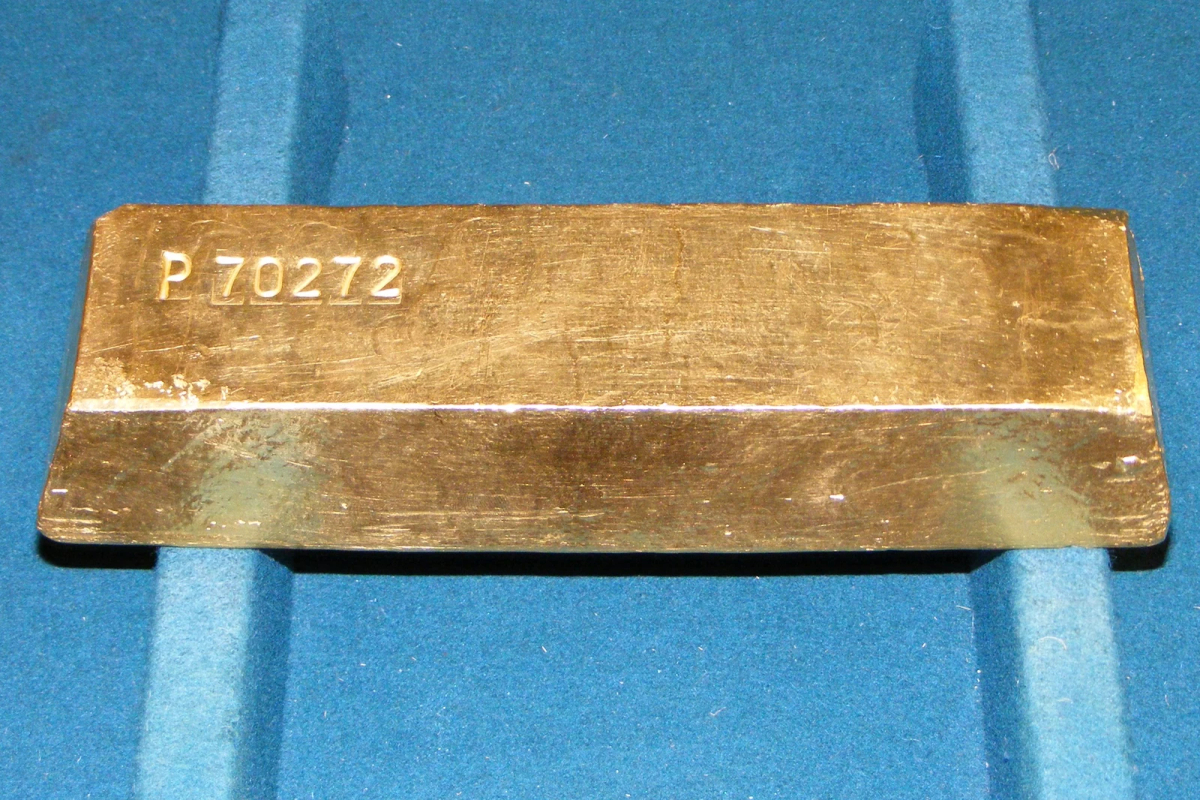
International gold prices are undergoing an unusual decline. London spot gold, the global benchmark for gold pricing, fell nearly 4% intraday on October 30 to touch $3,869 per ounce, its lowest level since October 2025. What unsettles the market is that this round of selling occurred against a backdrop of falling U.S. Treasury yields—by traditional logic, lower rates should boost non-yielding gold, yet the reality is the opposite.
According to a report by Nikkei, the divergence between gold prices and U.S. Treasury yields is seen by some market participants as a warning signal: after the U.S. midterm elections conclude on November 3, if crude prices climb further and rekindle inflation, pressure on the Federal Reserve to raise rates will rise accordingly, eroding gold’s cost-of-carry advantage.
Election Window and Geopolitical Risk Converge
The election itself is not the core concern for the gold market. Stock markets are focused on which party—Democrats or Republicans—will control the Senate and House, while gold traders are looking more at the policy space after the election. Takahiro Morita, representative of Japan’s Morita Partners, believes that no matter which side wins the midterms, it will not be bearish for gold in the long run, citing the continued expansion of U.S. debt that is unlikely to improve in the near term—one of the structural factors supporting gold prices.
The short-term focus is on Iran. Tim Waterer, chief market analyst at Australia’s KCM Trade, said that rather than the outcome of the midterms themselves, the market is more worried about whether the United States will launch another strike on Iran after the election. Previously, to avoid voter discontent from rising oil prices, U.S. President Trump exercised restraint on this issue; with the election factor removed, that constraint may disappear.
The crude market has already reacted in advance. Amid continued attacks on Saudi Arabia by the Iran-aligned Houthi militants in Yemen, the December Brent crude futures contract rose to $118 a barrel on October 30, a six-month high. If the United States launches a large-scale military strike on Iran, concerns over Middle East crude supply could push oil prices even higher.
Rate-Hike Cycle Debate Weighs on Safe-Haven Buying
Rising oil prices would intensify inflationary pressure and could prolong the global monetary tightening cycle. If Treasury yields remain elevated, gold’s appeal as a non-yielding asset would diminish. Since October, amid risk-aversion triggered by declines in AI and semiconductor-related stocks, U.S. Treasury yields have pulled back, yet gold prices have remained weak—interpreted as the market doubting the sustainability of the decline in yields.
Rona O’Connell, head of market research at commodities broker StoneX, noted that geopolitical risk should be bullish for gold, but in the current environment the market is more inclined to link it to discussions of the Federal Reserve launching a rate-hike cycle, which has instead become a bearish factor for gold. Federal Reserve Chair Kevin Warsh said at a press conference after the October 28 Federal Open Market Committee meeting that inflation is currently “too high.” A senior precious metals trader at a British hedge fund believes that a catalyst such as a softening of the Fed’s hawkish stance is needed to prompt money to re-enter and buy.
Nicky Shiels, head of research and metals strategy at Switzerland’s MKS PAMP, explaining the sharp drop in gold prices, said investors cut gold holdings ahead of major events to ensure liquidity.
Institutions See Oversold Territory; Long-Term Buying Persists
Despite bearish sentiment, few market participants expect gold to fall much further after breaking below the $4,000 mark. Suki Cooper, head of global commodities research at Britain’s Standard Chartered, believes gold is approaching “oversold” territory.
When gold fell below $4,000 in June-July this year, central banks increased purchases, providing support for long-term investors buying on dips. Atsuko Sato, head of the Japan market at British online gold trading platform BullionVault, expects long-term investors holding gold for diversification and wealth preservation to continue to view price declines as buying opportunities.
In relative terms, gold’s resilience remains notable. Silver, platinum and palladium prices have fallen 30% to 40% from the end of last year, while gold is down only about 10%.
| Metal | Decline from End of Last Year |
|---|---|
| Gold | About 10% |
| Silver, platinum, palladium | 30%–40% |
Note: Figures are range estimates disclosed in the report, reflecting the comparison of declines across metals relative to the end of last year.
Market Impact
For investors, the short-term direction of gold prices will depend more on two threads: first, whether U.S. policy toward Iran turns tougher after the midterms; second, whether rising oil prices rekindle inflation and force the Federal Reserve to turn hawkish. If oil prices continue to climb and rate-hike expectations heat up, gold prices may remain under pressure; conversely, if the Fed’s stance loosens, suppressed safe-haven and allocation demand could quickly return. Before the direction becomes clear, the market will most likely engage in a patient game of wait-and-see while watching crude’s moves.