
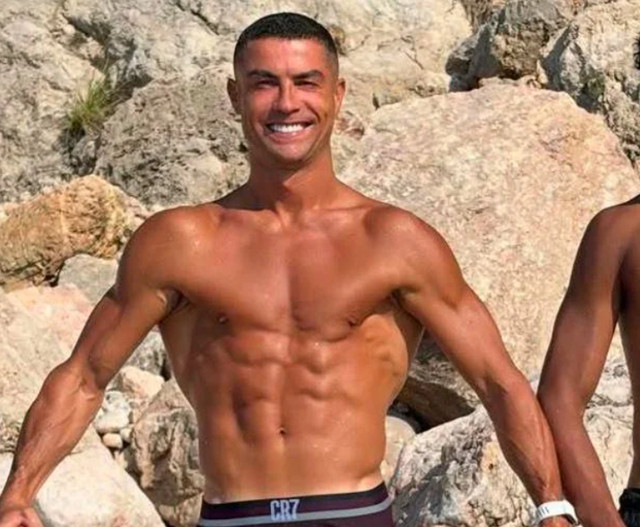
RIYADH, Saudi Arabia – At 41, Cristiano Ronaldo is still playing, scoring and chasing new records. The Portuguese superstar has built much of his career on an almost obsessive commitment to physical conditioning, turning nutrition, training and recovery into cornerstones of his sporting life. And among the elements of CR7’s dietary routine is one of the world’s most popular beverages: coffee.
The Portuguese forward continues his career in Saudi Arabia with Al-Nassr and shows little sign of slowing down. Among his remaining targets is the milestone of 1,000 career goalsalong with the ambition of continuing to compete for Portugal and, looking further ahead, reaching the 2028 European Championship.

Such remarkable sporting longevity is, of course, not down to a single secret. According to a report by ABC, training, rest and nutrition form the three main pillars of the so-called ‘Ronaldo method’.
Ronaldo and coffee at breakfast
Cristiano Ronaldo’s diet has evolved throughout his exceptionally long careeradapting both to the changing needs of his body and to the evolution of his playing style.

When pace and agility were even more central to his game, his nutrition strategy focused primarily on maintaining a lean and explosive physique. As the years passed and his role shifted closer to goal, Ronaldo increasingly concentrated on building strength and muscle mass.
Today, the key word appears to be balance. Foods that feature prominently in his diet include avocado, eggs, chicken, fish and vegetables, while particular attention is paid to protein, fibre and overall nutrient intake.
It is at breakfast that coffee makes its appearance. Ronaldo’s morning meal typically includes avocado, eggs and coffee, making the beverage part of an exceptionally diet
Naturally, no one would suggest that a cup of coffee alone is responsible for CR7’s extraordinary longevity in elite football. Rather, coffee represents one element of the daily routine of an athlete who has built his career on consistency and discipline.
The ‘Ronaldo method’: nutrition, training and recovery
Throughout the rest of the day, the footballer focuses primarily on nutritious foodsprotein and fibre, whilst severely limiting sugars, dairy products and certain foods made with refined flour.
The goal is to provide the body with sustained energy, support recovery after training sessions and matches, and maintain a level of physical fitness compatible with the demands of professional football.
It is precisely Ronaldo’s ability to adapt his habits over time that has accompanied him through the different phases of his career.
The body of the 20-year-old CR7 did not, in fact, have the same needs as that of the 40-year-old Ronaldo. Training and diet have therefore been adapted over time, seeking to compensate for the natural changes associated with ageing.
At 41, Ronaldo is still chasing records
Over the years, discipline off the pitch has become almost inseparable from the persona of Cristiano Ronaldo.
From sleep management to athletic preparationright through to the attention paid to what he eats, every aspect of his daily life is geared towards performance and recovery.
A philosophy that has helped shape a career that began at the very highest level over twenty years ago and has taken him via Sporting Lisbon, Manchester United, Real Madrid, Juventus and back to Manchester United, before his move to Al-Nassr.
At 41, the Portuguese star thus continues to pursue goals that seemed almost unimaginable for a footballer of his age.