
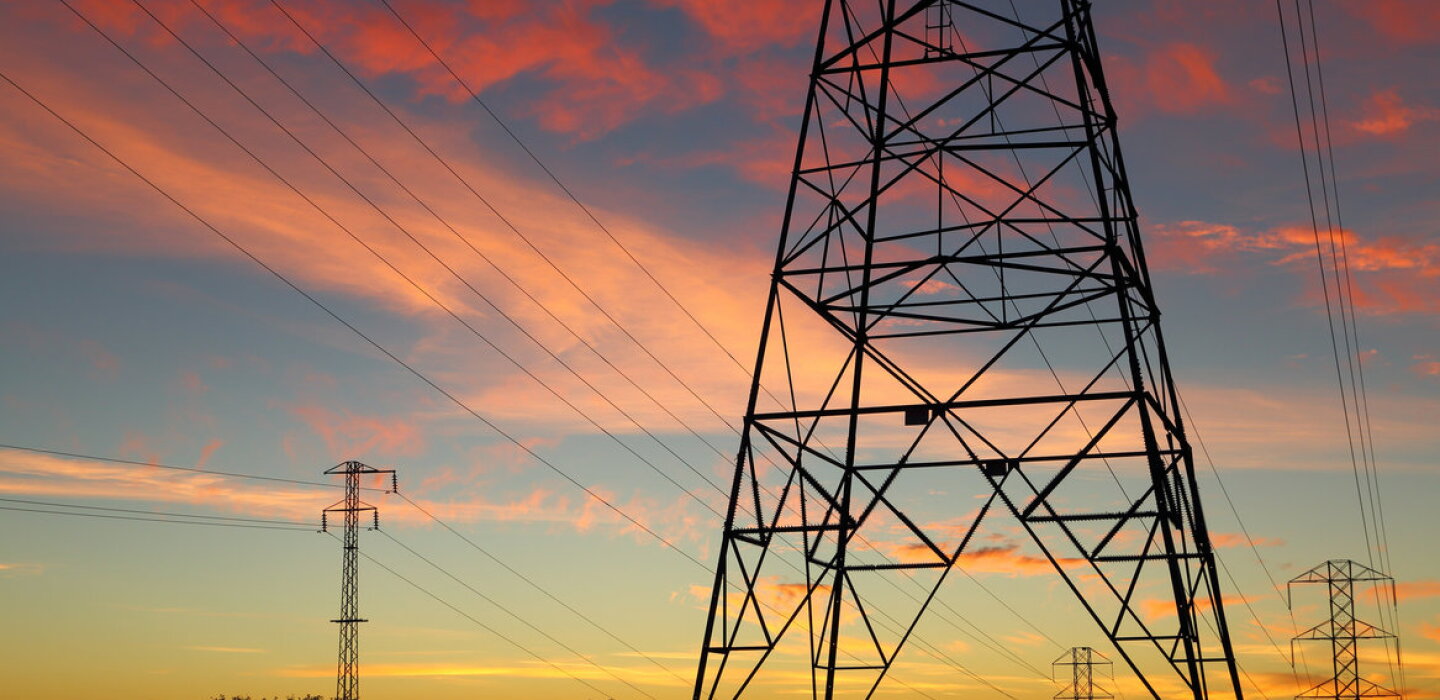
(TNS) — When a storm damages a power line or a vehicle strikes a utility pole, customers can lose electricity while crews locate the problem and make repairs.
Duke Energy officials say self-healing technology can restore service to some customers before crews finish repairs by automatically rerouting electricity around the damaged section.
The technology has helped Howard County customers avoid around 5,300 customer outages so far in 2026, saving more than 11,000 combined hours of outage time, according to Tina Noel, senior communications manager for Duke Energy Corporate Communications. Nearly 70% of those time savings occurred during major storms.
During a visit to a Kokomo work site, Noel compared the technology to a vehicle’s GPS: When one route becomes unavailable, the system finds another way through.
“It reroutes the power automatically elsewhere, and sometimes before somebody even knows,” Noel said.
The technology is part of broader work to strengthen the electric system, including replacing utility poles, installing larger wires and upgrading transformers.
“We’re not just out there working during the storms,” Noel said. “We’re trying to prevent outages before they happen.”
Noel, who also oversees communications for Duke Energy’s Kokomo operations center, explained how the physical improvements and automated equipment work together.
At the work site, crews were replacing older poles with larger, stronger poles and preparing to replace small copper wires with larger conductors capable of carrying more electrical current. Crews were also replacing transformers serving nearby homes.
“In general, all the equipment out here is getting beefed up, a little bigger and a little stronger, and a lot newer,” Noel said.
The larger conductors increase the lines’ capacity, she said. Decisions about conductor materials also involve engineering considerations such as weight, with aluminum being lighter than copper.
The work is part of a project being completed in multiple phases over several years, generally in sections of roughly a mile at a time.
Crews at the site were working on energized lines so customers could continue receiving electricity during the upgrades. The process involves preparing new poles and equipment, transferring lines and equipment from the old poles, and removing the old poles as crews move through the project.
The self-healing equipment adds options for supplying electricity when part of the system is damaged.
In some areas, customers depend on a single power source. If that connection fails, crews must complete repairs before restoring electricity. Adding connections and automated switching equipment can allow electricity to reach customers from another direction.
The equipment can isolate a damaged section while restoring service to other parts of the system, Noel said.
It also provides information to Duke Energy’s distribution control center in Plainfield, helping operators narrow down where a problem occurred and direct responding lineworkers to the area.
That information can reduce the time crews spend searching for damage and managing power restoration. Crews still must repair damaged equipment, but some customers can have their electricity restored while that work is underway.
The technology does have limits. Widespread storm damage or the loss of multiple connections can leave customers without an alternate source of electricity.
“So in the event of a catastrophic failure, we still would have to go in and make repairs to the system,” Noel said.
About 26,300 customers, or 56% of Duke Energy’s customers in Howard County, currently benefit from self-healing technology, Noel said.
“In 2025, this technology helped Howard County customers avoid more than 5,300 outages for a total of 511,000 minutes of power interruptions saved,” Noel said.
The company has avoided nearly the same number of customer outages so far in 2026 as it did during all of 2025. However, the combined outage time saved this year is about 2,500 hours greater, an increase of about 30%, Noel said.
Across Duke Energy’s Indiana service territory, self-healing technology has helped avoid more than 100,000 customer outages so far in 2026, saving around 300,000 combined outage hours. More than half of those benefits occurred during major storms.
Nearly 520,000 Duke Energy Indiana customers, or 56%, now benefit from the technology — about 80,000 more customers than last year, Noel said.
© 2026 the Kokomo Tribune (Kokomo, Ind.). Visit www.kokomotribune.com. Distributed by Tribune Content Agency, LLC.